Are comber cotton sweaters resistant to wrinkles?
Leave a message

If you’ve ever draped a sweater over a office chair during a back-to-back meeting, stuffed a few layers into a carry-on for a weekend trip, or dug through a packed closet to grab something for dinner plans, you’ve probably noticed that not all sweaters handle wrinkles the same way. As a comber cotton sweater supplier, I get questions about this all the time—customers want to know if their go-to sweater will stay crisp through a busy day, or if a quick trip will leave it looking like a crumpled paper bag. The short answer: comber cotton sweaters do resist wrinkles better than other cotton sweaters, but there’s a lot more to it than just the fabric name.
Let’s start with the basics of what makes cotton wrinkle in the first place. Cotton fibers are made of cellulose, a flexible plant-based molecule that bends easily under pressure. When you sit on a cotton sweater, stuff it into a bag, or fold it tight for storage, the cellulose molecules shift and stay in that new, creased position—especially when they’re wet or warm. Raw, unprocessed cotton, like what’s used in many budget sweaters, has long, uneven fibers that are prone to slipping and shifting, which is why those lower-cost sweaters often come out of the dryer or a suitcase covered in deep, hard-to-flatten wrinkles.
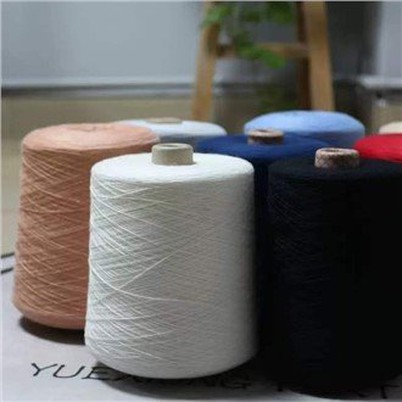
That’s where comber cotton comes in, and it’s the difference maker for our sweaters. Comber cotton isn’t just a brand name or a marketing term—it’s a manufacturing process. After raw cotton is spun into yarn, it goes through a series of combs that pull the shorter, weaker fibers out, leaving only long, uniform, tightly aligned fibers. For comparison, regular ring-spun cotton leaves about 15% of short, inconsistent fibers in the mix, while comber cotton cuts that number to less than 3%. Those long, aligned cellulose molecules are much less likely to shift under pressure, which means the sweater holds its shape better and resists wrinkles far more than standard cotton sweaters.
I see this firsthand with the sweaters we produce. Take, for example, our Checkered Men's Knitted Button Sweater Cardigan, which is made with 100% long-staple comber cotton. A few weeks ago, a regular customer told me he wore that cardigan for a 12-hour workday: he sat in it for six meetings, wore it to a dinner right after, and stuffed it into his gym bag on the way home. When he pulled it out that night, there were only a couple of faint lines from where the buttons pressed against his chest—nothing that a quick steam from a bathroom sink wouldn’t fix, no deep, set wrinkles like he’d get from his old cotton cardigan.
Of course, comber cotton’s wrinkle resistance isn’t magic. It still reacts to how you care for it and how you use it. Let’s break down the factors that can make even a high-quality comber cotton sweater wrinkle, and how to avoid them. First, moisture is a big one. If you wear a comber cotton sweater while sweating heavily, or if it gets soaked in the rain, the cellulose fibers swell, bend, and lose some of their alignment. Once the fabric dries, those fibers might stay in the creased shape from where you sat or folded it while damp. That’s why we always recommend hanging your sweater after removing it, rather than draping it over a chair—hanging distributes the weight evenly, and the fibers can settle back into their original shape as they dry.
Laundering also plays a role. Most comber cotton sweaters are machine-washable, but washing them on a high-heat cycle can weaken the fiber bonds, making them more prone to wrinkling. We recommend a cold or warm gentle cycle, and laying the sweater flat to dry instead of tumble drying. Tumble drying, even on low heat, can cause the fibers to shift as they tumble against the dryer drum, especially if they’re still slightly damp. I’ve had customers tell me they tossed one of our 100 Cotton Solid Color Men's Pullover Sweater into the dryer on high to save time, and it came out with more wrinkles than they expected—once they switched to line drying, the pullover stayed crisp through multiple wears.
Another factor is the weave and construction of the sweater. A tight knit, like the one used in our Simple Turtleneck Sweater, holds its shape much better than a looser, open knit. Open knits, like the ones in our Half Cardigan Jacquard Knit Sweater, have more space between fibers, so they’re more flexible and easier to crease. But even looser comber cotton knits will resist wrinkles far more than a loose knit made from regular cotton, because the long, aligned fibers don’t shift as much. The construction also matters: sweaters with reinforced seams, like the shoulder seams in our Casual Cardigan with Collar, hold their structure better, so creases don’t form as easily in the areas that get the most pressure, like the shoulders and underarms.
Let’s compare that to other common sweater materials to put it in perspective. Wool, for example, is also prone to wrinkles, but it stretches more and springs back easily when steamed. Polyester and synthetic blends wrinkle almost instantly, and deep creases often stay unless you iron them, which can damage the fabric over time. Linen is another natural fiber, but it’s made of flax, which has very short, rigid fibers that shift easily—linen is famous for being permanently wrinkled, even when you hang it to dry. Comber cotton sits in a nice middle ground: it’s soft and breathable like linen or regular cotton, but the long, aligned fibers give it much better wrinkle resistance, plus it’s durable enough to last for years with proper care.
A common misconception is that all cotton sweaters are the same, so let’s clarify that. Budget cotton sweaters might use short-staple cotton, which is cheaper and easier to process, but the short fibers mean the fabric pills easily, stretches out of shape, and wrinkles constantly. Comber cotton is a higher-grade material, and the processing step adds to the cost, but the result is a sweater that’s softer, more durable, and far easier to keep looking neat. We hear that feedback all the time from our customers: they try a cheap cotton sweater for a few months, it pills, stretches, and gets covered in wrinkles, then switch to our comber cotton sweaters and find that they look just as good after a year as the day they bought them.
If you’re someone who travels often, wrinkle resistance is a huge benefit. We’ve had business travelers tell us that they pack one of our checkered cardigans for a 3-day trip, and it comes out of the suitcase with barely any wrinkles—no need to spend time steaming or ironing it at the hotel. For someone who wears sweaters to work, being able to hang it up in the office instead of stuffing it in a drawer means it stays crisp for the whole workday, no extra effort needed.
Of course, no sweater is completely wrinkle-proof. If you fold a comber cotton sweater tight for a week, you’ll get some creases, but they’re easy to fix: a quick steam from a shower, or even a spritz of water and a gentle tug to reshape the fabric, will get it looking neat again. That’s a small trade-off for a sweater that’s soft, breathable, and durable, especially compared to the hassle of ironing synthetic blends or dealing with permanent wrinkles in linen or cheap cotton.
So if you’re in the market for a sweater that works as hard as you do, one that can handle a busy workday, a weekend trip, or just being stored in a closet for a few months, comber cotton is the way to go. It’s not just a trend—it’s a proven material that balances comfort, durability, and wrinkle resistance better than most other sweater fabrics.


If you’re interested in sourcing high-quality comber cotton sweaters for your brand or retail needs, feel free to reach out to discuss your requirements. We offer a range of styles, including cardigans, pullovers, and more, all made with carefully processed comber cotton to deliver the combination of comfort and performance our customers rely on.
References
- ASTM D1252-21, Standard Test Methods for Cotton Fiber Length and Length Distribution
- Textile Institute. (2020). “The Science of Cotton: Fiber Processing and Fabric Properties”. Journal of Textile Science and Engineering.
- International Cotton Advisory Committee. (2019). “Comber Cotton: Benefits for Apparel Manufacturing”. Technical Brief on Natural Fibers.
- Wool Research Association. (2018). “Wrinkle Resistance in Natural and Synthetic Fiber Blends”. Textile Research Journal.
- U.S. Cotton Industry Association. (2021). “Cotton Grading and Processing: Understanding Quality Differences Between Staple Types”. Consumer and Manufacturer Guide.