

How do I know if the printing on a customized scarf is long - lasting?
Leave a message

Hey there! As a supplier of customized scarves, I often get asked by customers, "How do I know if the printing on a customized scarf is long - lasting?" It's a great question, and in this blog post, I'm gonna share some tips and insights to help you figure that out.
1. The Quality of the Printing Method
First off, the printing method used plays a huge role in the longevity of the print on your scarf. There are a few common printing methods out there, and each has its own pros and cons.
Digital Printing
Digital printing is super popular these days. It allows for high - resolution, detailed designs. The ink is directly applied to the fabric, and it can penetrate well, especially on scarves made of natural fibers like silk or cotton. When it's done right, digital printing can be quite long - lasting. The key is to make sure the printer uses high - quality, fade - resistant inks. A good digital print should withstand multiple washes without significant color loss or fading.
Screen Printing
Screen printing has been around for a long time. It's great for bold, simple designs. In screen printing, ink is pushed through a mesh screen onto the fabric. The durability of screen - printed scarves depends on the amount of ink used and the quality of the mesh. If too little ink is applied, the print may wear off quickly. But when done correctly, screen - printed designs can last a long time, especially if the scarf is made of a sturdy fabric like wool.
Heat Transfer Printing
Heat transfer printing involves printing a design onto a special paper and then transferring it to the scarf using heat and pressure. This method can produce vibrant colors, but its longevity can be a hit or miss. The quality of the transfer paper and the heat - pressing process are crucial. If the heat isn't evenly distributed or the paper isn't of good quality, the print may start to peel or crack after a few washes.
2. The Type of Fabric
The fabric of the scarf is another important factor. Different fabrics react differently to printing and washing.
Silk Scarves
Silk is a luxurious fabric, and it can hold prints really well, especially with digital printing. Silk has a smooth surface that allows the ink to adhere nicely. However, silk is also delicate, so it needs to be washed carefully. If you follow the proper washing instructions, the print on a silk scarf can last for a long time.
Cotton Scarves
Cotton is a popular choice for scarves. It's breathable and easy to care for. Cotton can absorb ink well, making it suitable for various printing methods. But like silk, it also needs proper washing to maintain the print. Avoid using harsh detergents or high - heat drying, as these can cause the print to fade.
Wool Scarves
Wool is a durable fabric, but it can be a bit tricky to print on. The fibers are thick and can sometimes make it difficult for the ink to penetrate evenly. However, if the printing process is adjusted correctly, wool scarves can have long - lasting prints. Just make sure to wash wool scarves gently to avoid damaging the print.
3. The Washing and Care Instructions
How you take care of your scarf after you get it is just as important as the printing method and fabric.
Washing Frequency
The more often you wash your scarf, the more wear and tear the print will experience. Try to limit washing to when it's really necessary. Spot - cleaning can be a great alternative for small stains.
Detergent Choice
Use a mild, color - safe detergent when washing your scarf. Harsh detergents can break down the ink and cause the print to fade. Avoid using bleach or fabric softeners, as these can also damage the print.
Washing Temperature
Wash your scarf in cold or lukewarm water. Hot water can cause the fabric to shrink and the print to fade. Also, avoid using high - heat drying. Air - drying is the best option to preserve the print.
4. Testing the Print
If you're still not sure about the longevity of the print on a customized scarf, you can do a simple test.
Small - scale Printing
Before ordering a large batch of scarves, ask your supplier to do a small - scale print on a sample scarf. Wash the sample scarf a few times following the recommended care instructions. Check the print for any signs of fading, cracking, or peeling. If the print holds up well after the test, it's a good indication that the full - scale order will also have long - lasting prints.

Colorfastness Test
You can also perform a colorfastness test at home. Dampen a white cloth and rub it gently on a small, inconspicuous area of the printed scarf. If there's a lot of color transfer onto the cloth, it may mean that the print isn't very colorfast and may not last long.
Our Product Range
We offer a variety of customized scarves with long - lasting prints. And we also have other functional items in our product line. Check out these links for more information:
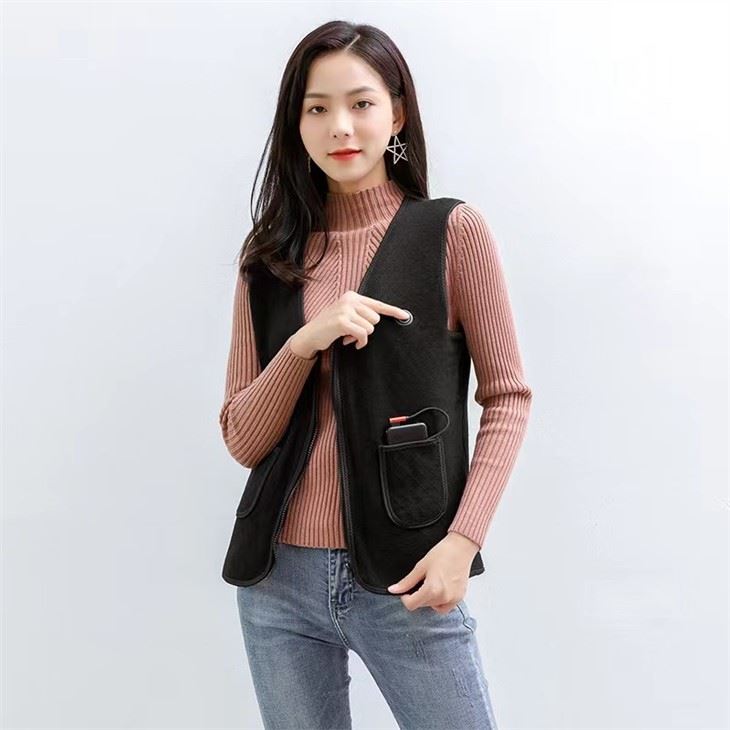
- Temperature Control Vest Cardigan Cufflink Wool Sweater
- Temperature Control Children's Coat Long Breathable Waterproof Trench Jacket
- Temperature controlled cotton scarf for ladies
- Temperature Control Men's Jacket Hooded Travel Coats
- Temperature Controlled Men's Sweater Sportswear Crew Neck Pullover
Let's Talk
If you're interested in our customized scarves or any of our other products, don't hesitate to reach out. We're here to answer all your questions and discuss your specific needs. Whether you're looking for a unique gift or a promotional item for your business, we've got you covered.
References
- "Textile Printing Technology" by John Smith
- "Fabric Care Guide" published by the Textile Association


