How to blend cashmere yarn with other fibers?
Leave a message

How to Blend Cashmere Yarn with Other Fibers?
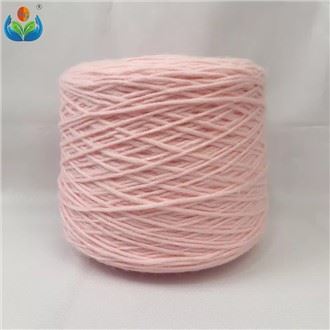
As a seasoned cashmere yarn supplier, I've witnessed firsthand the transformative power of blending cashmere yarn with other fibers. This process not only enhances the properties of the final product but also opens up a world of creative possibilities for designers and manufacturers. In this blog post, I'll share my insights on how to blend cashmere yarn with other fibers, the benefits of doing so, and some popular fiber combinations.
Why Blend Cashmere Yarn?
Cashmere is renowned for its luxurious softness, warmth, and natural luster. However, it also has some limitations. It can be relatively expensive, and it may not be as durable or resilient as some other fibers. Blending cashmere with other fibers can help to address these issues while still retaining many of the desirable characteristics of cashmere.
- Cost-Effectiveness: By blending cashmere with less expensive fibers, you can create a yarn that offers the luxury of cashmere at a more affordable price point. This makes it accessible to a wider range of consumers.
- Durability: Some fibers, such as wool or nylon, are more durable and resistant to wear and tear than cashmere. Blending cashmere with these fibers can increase the lifespan of the finished product.
- Performance: Different fibers have different properties, such as moisture-wicking, stretch, or insulation. Blending cashmere with other fibers allows you to combine these properties to create a yarn that is better suited for specific applications.
- Aesthetics: Blending cashmere with other fibers can create unique color combinations, textures, and visual effects that enhance the overall appearance of the finished product.
Choosing the Right Fibers to Blend with Cashmere
When choosing fibers to blend with cashmere, it's important to consider the desired properties of the final product, the processing requirements, and the end-use application. Here are some popular fibers that are often blended with cashmere and their benefits:
- Wool: Wool is a natural fiber that is known for its warmth, durability, and moisture-wicking properties. Blending cashmere with wool can create a yarn that is both soft and warm, making it ideal for winter clothing. Practical Wool Cashmere Blend Yarn is a great example of a high-quality wool-cashmere blend.
- Camel Hair: Camel hair is another natural fiber that is similar to cashmere in terms of softness and warmth. It is also more durable and resistant to pilling than cashmere. Blending cashmere with camel hair can create a yarn that is both luxurious and practical. Check out Camel Blend Yarn for a beautiful camel-cashmere blend.
- Merino Wool: Merino wool is a fine, soft wool that is known for its excellent moisture-wicking properties and breathability. Blending cashmere with merino wool can create a yarn that is soft, warm, and comfortable to wear. 100% Merino Wool Yarn can be a great option to blend with cashmere for a high-performance yarn.
- Rabbit Hair: Rabbit hair is a soft, lightweight fiber that is often blended with other fibers to add warmth and softness. Blending cashmere with rabbit hair can create a yarn that is extremely soft and fluffy. 2/13NM Rabbit Hair Nylon Blended Yarn can be combined with cashmere for an interesting texture.
- Nylon: Nylon is a synthetic fiber that is known for its strength, durability, and stretch. Blending cashmere with nylon can increase the durability and elasticity of the yarn, making it suitable for activewear and other applications where performance is important.
The Blending Process
The process of blending cashmere yarn with other fibers typically involves several steps:


- Fiber Preparation: The first step is to prepare the fibers for blending. This may involve cleaning, carding, and combing the fibers to remove any impurities and align them in the same direction.
- Blending: Once the fibers are prepared, they are blended together in the desired proportions. This can be done using a variety of methods, such as blending machines, hand blending, or air blending. The goal is to ensure that the fibers are evenly distributed throughout the blend.
- Spinning: After the fibers are blended, they are spun into yarn. This involves twisting the fibers together to form a continuous strand. The spinning process can affect the properties of the yarn, such as its strength, texture, and appearance.
- Finishing: Once the yarn is spun, it may undergo a finishing process to improve its appearance and performance. This may include washing, drying, and treating the yarn with chemicals or other substances.
Popular Cashmere Blend Combinations
Here are some popular cashmere blend combinations and their applications:
- 70% Cashmere / 30% Wool: This blend combines the softness and luxury of cashmere with the warmth and durability of wool. It is ideal for winter sweaters, scarves, and hats.
- 50% Cashmere / 50% Camel Hair: This blend offers the best of both worlds - the softness of cashmere and the durability of camel hair. It is perfect for high-end coats and jackets.
- 80% Cashmere / 20% Merino Wool: This blend combines the softness of cashmere with the moisture-wicking properties of merino wool. It is great for base layers and activewear.
- 60% Cashmere / 40% Rabbit Hair: This blend creates a yarn that is extremely soft and fluffy. It is ideal for baby blankets, shawls, and other delicate items.
- 90% Cashmere / 10% Nylon: This blend adds strength and elasticity to the cashmere yarn, making it suitable for activewear and other applications where performance is important.
Tips for Blending Cashmere Yarn
- Start with High-Quality Fibers: The quality of the final product depends on the quality of the fibers you use. Make sure to choose high-quality cashmere and other fibers to ensure a superior blend.
- Test the Blend: Before producing a large batch of blended yarn, it's a good idea to test the blend on a small scale. This will allow you to evaluate the properties of the blend and make any necessary adjustments.
- Consider the End-Use Application: The end-use application of the yarn will determine the desired properties of the blend. For example, if the yarn is intended for winter clothing, you may want to focus on warmth and durability. If it's for activewear, you may want to prioritize moisture-wicking and stretch.
- Work with an Experienced Supplier: Blending cashmere yarn with other fibers requires expertise and experience. Working with an experienced supplier can help you ensure that the blend meets your specifications and expectations.
Conclusion
Blending cashmere yarn with other fibers is a great way to create a unique and high-quality yarn that offers the best of both worlds - the luxury of cashmere and the benefits of other fibers. By choosing the right fibers, following the proper blending process, and considering the end-use application, you can create a yarn that is perfect for your specific needs.
If you're interested in learning more about blending cashmere yarn with other fibers or exploring our range of 100% Cashmere Yarn and blended yarns, please don't hesitate to contact us. We'd be happy to discuss your requirements and help you find the perfect solution for your project.
References
- Textile Institute. (2019). Handbook of Textile Fibres: Volume 1: Natural Fibres. Woodhead Publishing.
- Morton, W. E., & Hearle, J. W. S. (2008). Physical Properties of Textile Fibres. Woodhead Publishing.
- Postle, R., & Oxenham, W. (2012). Handbook of Yarn Production: Spun Yarns. Woodhead Publishing.