How to use Yarn with Google Cloud Functions?
Leave a message

Hey there! As a yarn supplier, I've been getting a lot of questions lately about using Yarn with Google Cloud Functions. So, I thought I'd put together this blog post to share some insights on how you can do just that.
What's Yarn and Google Cloud Functions?
First off, let's quickly go over what Yarn and Google Cloud Functions are. Yarn is an awesome package manager for JavaScript. It's super fast, reliable, and secure. It helps you manage all the dependencies in your projects, making sure you get the right versions of packages every time.
On the other hand, Google Cloud Functions are a serverless compute service. You can write simple, single-purpose functions that respond to cloud events without having to manage any infrastructure. It's a great way to build and deploy small pieces of code that can do all sorts of useful things.
Why Combine Yarn and Google Cloud Functions?
There are a few good reasons to use Yarn with Google Cloud Functions. For starters, Yarn can speed up the deployment process. Since it caches packages and has a smart algorithm for installing them, it can reduce the time it takes to set up your function's environment.
Also, Yarn's version management is top-notch. When you're working with Google Cloud Functions, you want to make sure that the dependencies your function relies on are consistent across different deployments. Yarn's yarn.lock file ensures that everyone working on the project, and every deployment, uses the exact same versions of packages.
Step-by-Step Guide to Using Yarn with Google Cloud Functions
1. Set Up Your Project
First, create a new directory for your Google Cloud Function project. Navigate to that directory in your terminal and initialize a new Yarn project by running:
yarn init -y
The -y flag skips the interactive prompts and creates a package.json file with default settings.
2. Install Dependencies
Let's say your Google Cloud Function needs some external packages. For example, if you're building a function that makes HTTP requests, you might want to install the axios package. You can do this with Yarn like so:
yarn add axios
Yarn will download the axios package and its dependencies, and add them to your package.json file. It'll also create or update the yarn.lock file to lock in the exact versions of the packages.
3. Write Your Google Cloud Function
Now, create a JavaScript file (let's call it index.js) in your project directory. Here's a simple example of a Google Cloud Function that uses the axios package we just installed:
const axios = require('axios');

exports.myFunction = async (req, res) => {
    try {
        const response = await axios.get('https://api.example.com/data');
        res.status(200).send(response.data);
    } catch (error) {
        res.status(500).send(error.message);
    }
};
This function makes an HTTP GET request to an API and returns the response data. If there's an error, it sends back an error message.
4. Deploy Your Function
Before you deploy your function, make sure you have the Google Cloud SDK installed and configured on your machine. Then, you can deploy your function using the following command:
gcloud functions deploy myFunction --runtime nodejs14 --trigger-http
This command deploys the myFunction we defined in index.js using the Node.js 14 runtime. It's triggered by an HTTP request.
Yarn and Different Types of Yarn We Sell
Now, let's talk a bit about the different types of yarn we offer. We have some amazing products that are perfect for all your knitting and crocheting projects.
For instance, our 2/60NM 100% Merino Wool Yarn is incredibly soft and warm. It's great for making cozy sweaters, scarves, and hats. The fine quality of the Merino wool makes it a pleasure to work with, and it has excellent elasticity and durability.
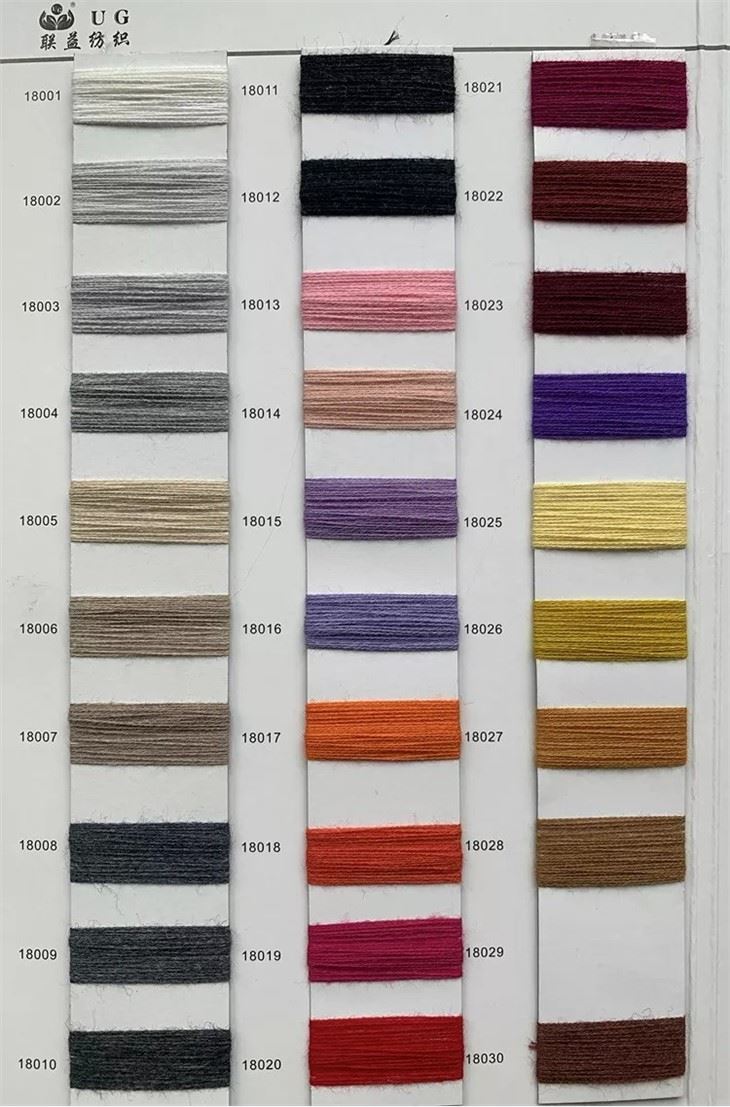

If you prefer plant-based yarns, our 100% Combed Cotton Yarn is a fantastic choice. It's breathable, absorbent, and perfect for summer clothing. You can use it to make lightweight tops, dresses, or even home decor items like dishcloths.
Another great option is our Modal Blend Yarn. This blend combines the softness of modal with other fibers, resulting in a yarn that's both luxurious and easy to work with. It's ideal for creating elegant scarves and shawls.
Using Our Yarn in Projects Deployed with Google Cloud Functions?
You might be wondering how our yarn fits into the world of Google Cloud Functions. Well, let's say you're running an e-commerce business and you use Google Cloud Functions to handle things like inventory updates, order processing, or customer notifications. You can showcase our yarn products on your website, and use these functions to manage the sales process.
For example, you could create a Google Cloud Function that sends an email to a customer when their order of Ladies Contrast Long Sleeve Christmas Sweater, which is made from our high-quality yarn, is shipped. You can use Yarn to manage the dependencies for the email sending package in that function.
Another Yarn Product Highlight
We also have 2/28NM 100% Merino Wool Yarn. This yarn is a bit thicker than the 2/60NM version, making it suitable for different types of projects. It's great for creating chunky sweaters, blankets, and mittens. The natural properties of Merino wool, like its moisture-wicking and insulating abilities, make it a popular choice for winter wear.
Wrapping Up and Invitation to Connect
So, that's how you can use Yarn with Google Cloud Functions. It's a powerful combination that can streamline your development and deployment process. And don't forget about our amazing yarn products. Whether you're a beginner knitter or an experienced pro, we have the perfect yarn for your next project.
If you're interested in purchasing our yarn or have any questions about our products, we'd love to hear from you. Reach out to us to start a conversation about your procurement needs. We're here to help you find the best yarn solutions for your business or personal projects.
References
- Google Cloud Functions Documentation
- Yarn Documentation
- Axios Package Documentation