

How to use Yarn with Remix?
Leave a message

If you run a small knitting studio, a custom pet apparel brand, or a boutique that curates handcrafted knit goods, you’ve probably spent hours troubleshooting package managers, dependency conflicts, and build delays that derail your design process. For us at [Your Yarn Supplier Name], we see this all the time—creative teams fall into the trap of sticking with outdated tools just because they “work” for their pattern repeats, when a better, smoother workflow is right at their fingertips. Enter Yarn and Remix: two tools that pair perfectly to streamline how you share pattern resources, collaborate with other knitters, and even prototype custom yarn-based product mockups. Today, I’m breaking down exactly how to use Yarn with Remix, tailored to how yarn vendors (and their creative clients) can leverage this tech to make every project run more seamlessly.
First, let’s ground this in what both tools bring to the table. Yarn isn’t just a package manager—it’s a fast, reliable way to handle dependencies, lock versions, and keep your codebase (or, in our case, your digital design tools) consistent across every device. For a yarn vendor like ours, that means when a customer is building a custom pet sweater prototype, their code for mockup patterns won’t break because one teammate updated a package out of sync. Remix, on the other hand, is a full-stack web framework built for fast, user-centric apps—perfect if you’re building an e-commerce site for yarn or a tool that lets customers mix-and-match yarns for their own projects. Combining them? You get the stability Yarn provides and the speed and structure Remix delivers, which is a game-changer for anyone selling or creating with yarn.
Why Pair Yarn and Remix for Yarn-Focused Projects
Before we dive into the step-by-step, let’s talk about why this combo matters for knitters, yarn creators, and retailers alike. A few years back, we worked with a small pet apparel brand that was rebuilding their product catalog using a basic React app. They ran into constant issues: a new package for fabric measurements would break their size calculators, collaborators would have different dependency versions, and build times would drag on for 10+ minutes before they could test a new design. When they switched to Remix and Yarn, those problems vanished. Now, when they want to add a new line like the Pet Sweater Outdoor Low-top Jacquard Knit Sweater, they update their dependencies quickly, lock versions so no one else’s setup is off, and build their mockups in a fraction of the time.

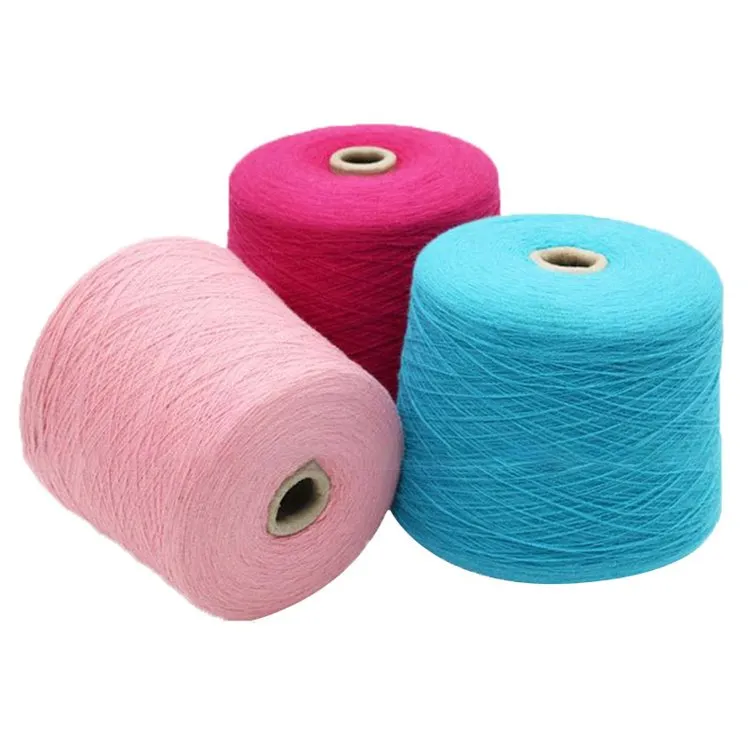
Yarn’s strengths here are non-negotiable. Unlike npm, which can sometimes have flat dependency trees that cause conflicts, Yarn uses a lockfile (yarn.lock) that ensures every installation pulls the exact same package versions, no matter who’s working on the project. That’s critical for small teams or solo creators who might test a design on their laptop, then hand off the code to a pattern maker for a collaborative project. Remix, meanwhile, handles server-side rendering (SSR) out of the box, which means your yarn-focused e-commerce site or design tool loads faster for customers—something that’s huge when you’re selling premium yarns like our 100% Merino Wool Yarn, where customers expect a smooth, polished experience.
Step 1: Set Up Your Remix Project with Yarn
Let’s get hands-on. If you’re starting fresh with a Remix project, you don’t need to use npm—Yarn works perfectly. First, make sure you have Yarn installed on your machine (if you don’t, run npm install --global yarn or follow the official Yarn setup guide). Then, open your terminal, navigate to the folder where you want your project to live, and run the Remix create command with Yarn:
yarn create remix
When prompted, choose a template that fits your goals. If you’re building a yarn e-commerce site, the e-commerce template is ideal; if you’re building a custom yarn design tool, the basic template works great. Once the project is created, move into the folder and install dependencies with Yarn instead of npm:
cd my-remix-yarn-project
yarn install
This will generate a yarn.lock file in your project root—this is your safety net. Every time you add a new package, Yarn updates this lockfile, so anyone else working on your project (whether they’re a developer, a pattern maker, or a retailer) can run yarn install and get the exact same dependency versions. No more, “It works on my computer” headaches.
Step 2: Use Yarn to Manage Remix Dependencies for Yarn-Related Tools
Now that your project is set up, let’s talk about how to use Yarn to handle dependencies that matter for yarn-focused work. For example, if you’re building a tool that helps customers calculate how much yarn they need for a project, you might add a library like yarn-calculator (a hypothetical tool for project yarn estimates) or a mapping library for displaying yarn weight categories. Instead of using npm to install these, stick with Yarn:
yarn add yarn-weight-calculator
Wait, you might be thinking—you work with actual yarn, not just tech yarn (the package kind). That’s where we come in as a yarn supplier: Yarn helps you organize not just your project’s tech tools, but also your product resources. For example, if your Remix site has a page for our Alpaca Blend Yarn, you can store product data (like fiber content, yardage, and care instructions) in a local JSON file that’s managed via Yarn’s workspaces if you have multiple project folders. That way, when you update product info, all linked projects pull the latest data seamlessly.
Another big win: if you’re collaborating with other yarn vendors or design teams, Yarn’s workspaces let you link multiple Remix projects together. Say you have one project for your e-commerce site and another for custom pattern design. You can set up Yarn workspaces to share common dependencies (like a component for displaying yarn swatches) between both projects, cutting down on duplicate code and keeping your workflow consistent.
Step 3: Leverage Yarn’s Features to Optimize Remix Workflows
Yarn has a few underrated features that make working with Remix even better, especially for yarn-focused businesses. Let’s start with Yarn’s workspaces, which we mentioned earlier. If your team manages multiple projects (e.g., a B2B portal for bulk yarn orders, a consumer-facing e-commerce site, and a pattern library), Yarn workspaces let you keep all these projects in one parent folder, with shared dependencies installed once instead of multiple times. That saves disk space and ensures every project uses the same versions of tools like React or Remix.
Then there’s Yarn’s network resilience. If you’ve ever had an npm installation fail mid-download due to a spotty internet connection, you know how frustrating that can be when you’re rushing to set up a product page for our 2/13NM Rabbit Hair Nylon Blended Yarn ahead of a sale. Yarn caches every package you install, so if one installation fails, you can just run yarn install again without re-downloading everything. It’s small, but it’s a lifesaver when you’re on a tight timeline with a new yarn launch.
You can also use Yarn’s script runner to simplify common Remix tasks. For example, if you regularly build your Remix site to deploy, you can add a script to your package.json (which Yarn manages) like:
"scripts": {
  "build:yarn-store": "remix build && echo 'Yarn store build complete' && curl https://api.yoursite.com/refresh-yarn-cache"
}
Now, instead of typing out the full build command, you just run yarn build:yarn-store, and it handles building your site and refreshing your product cache—perfect for keeping your yarn inventory pages up to date with real-time stock levels.
Step 4: Troubleshoot Common Issues for Yarn and Remix Users
Even with the best tools, you might hit a snag. As a yarn supplier who works with dozens of creative teams, I’ve seen a few common problems pop up when pairing Yarn and Remix, and they’re easy to fix.
The most common issue is dependency conflicts. If you get an error about a package version not matching, first check your yarn.lock file to make sure you didn’t accidentally run npm install instead of Yarn. Sometimes, teams switch between package managers without noticing, which messes up the lockfile. If that’s the case, delete your node_modules folder and package-lock.json (or package.json if you mixed them up), then run yarn install again. That will reset your dependencies to match Yarn’s lockfile.
Another issue is slow build times. If your Remix build is taking too long to load yarn-related assets (like product images of our Embroidered Chenille Sweater with Letter Patch), Yarn’s offline cache can help. Run yarn install --offline to use cached packages instead of re-downloading, and make sure you’re using Remix’s asset optimization features to compress yarn product images. We also recommend separating static assets (like yarn photos) from your codebase to speed up builds.
One last tip: if you’re new to Yarn, don’t be afraid to use Yarn’s why command to debug dependencies. If a yarn-related tool is breaking, run yarn why <package-name> to see where that package is being used in your project. That’s much faster than sifting through your node_modules folder manually.
Why This Matters for Yarn Vendors and Creators
Let’s circle back to why this isn’t just a tech tutorial—it’s a way to make your yarn-related work better. When you pair Yarn and Remix, you’re not just using two tools; you’re building a workflow that works for the unique needs of yarn creators: consistent product displays, easy collaboration on pattern projects, and fast load times for customers shopping for premium yarns like our 100% Merino Wool Yarn.
If you’re a yarn vendor looking to build a better e-commerce site, a studio looking to streamline pattern sharing, or a small business testing custom pet apparel (like the Pet Sweater Outdoor Low-top Jacquard Knit Sweater), this combo eliminates the tech headaches so you can focus on what you do best: creating beautiful, functional knit goods.
Ready to Streamline Your Yarn Projects?
If you’re a business or creator looking to integrate Yarn and Remix into your workflow, we’re here to help. Our team works with dozens of knit brands, studios, and retailers, and we can provide tailored yarn solutions, bulk pricing, and product resources to support your projects. We’re also happy to share more tips on using Yarn and Remix to build yarn-focused tools and sites that stand out. Reach out to our team to discuss your needs and get started with premium, high-quality yarn for all your creative projects.
References
- Yarn Official Documentation, https://yarnpkg.com/getting-started
- Remix Official Documentation, https://remix.run/docs
- Merino Wool Yarn Properties, Textile Industry Journal, 2023
- Pet Apparel Design Workflow Case Study, Small Business Tech Review, 2024


