

What are the traditional methods of making silk yarn?
Leave a message

If you’ve ever run your fingers over a luxuriously soft scarf, a crisp button-down shirt, or a delicate piece of embroidery, chances are silk is part of the story. As someone who’s spent over a decade working with silk yarn, I’ve come to appreciate that the beauty of silk isn’t just in its final texture or sheen—it’s in the ancient, meticulous methods used to turn silkworm cocoons into the fine, strong yarn we rely on. These traditional techniques aren’t just relics of the past; they still form the backbone of quality silk production today, even as modern innovations enter the market. In this post, I’ll walk you through the time-honored steps of making silk yarn, share what I’ve learned from working with these processes, and explain why this craftsmanship matters for anyone who values quality textiles.
Silk production begins with one tiny creature: the silkworm, specifically the larvae of the Bombyx mori moth. These worms feed almost exclusively on fresh mulberry leaves, and their diet is the first key to good silk. Over about a month, they grow 10,000 times their original weight, and when it’s time to pupate, they spin a cocoon from a continuous filament of silk protein called fibroin, held together by a sticky gum called sericin. A single cocoon’s filament can stretch up to 900 meters long—if it’s unraveled properly, that one strand can become the base for silk yarn. But before unraveling, the cocoons need careful processing, and that’s where the first traditional step comes in.
The first stage after harvesting cocoons is sorting. Not all cocoons are equal: some are too small, damaged, or have been punctured by the moth before it emerged (called “cut cocoons”) to yield a long, unbroken filament. Skilled workers sort these by hand, separating the high-quality, whole cocoons from the ones that will be used for lower-grade yarn or repurposed. I’ve spent hours beside veteran sorters at the small family workshop I partner with, and it’s a skill that takes years to master—one wrong move and you might mix a damaged cocoon into the batch, weakening the entire yarn. This step might seem basic, but it’s critical; even modern silk production still relies on hand sorting for the finest yarn because technology can’t match the eye and experience of a trained worker.
Next comes killing the pupae inside the cocoons, a step called stifling. If left alive, the moth would eventually eat through the cocoon, breaking the filament and making it impossible to unravel a continuous strand. Traditional stifling methods vary by region, but two of the oldest are sun drying and steam processing. In many small-scale workshops in China, Japan, and India, cocoons are spread out on bamboo mats and left to dry in the sun for 1–2 days. The heat kills the pupae and also softens the sericin, the sticky gum that holds the filament together, making it easier to unravel. Steam stifling, another common traditional method, uses gentle heat (usually around 100°C) for 10–15 minutes; this is faster than sun drying and works well in areas with cloudy weather. I’ve found that sun-dried cocoons produce silk with a slightly more matte, natural sheen, while steam-processed silk has a brighter, more uniform look—both are valued in different textile applications.
Once stifled, the cocoons are ready for soaking, a step that prepares the filament for unraveling. Cocoons are placed in large, shallow tubs filled with hot water (usually around 80°C) mixed with a small amount of natural soap or ash. The hot water softens the sericin even more, and workers gently agitate the cocoons with their hands to loosen the filament’s end. This is where another traditional technique comes into play: “ picking the ends.” Each cocoon’s filament is a single strand, and to create a usable yarn, you need to combine several filaments at once. Traditional silk yarn (called filature silk) is made by taking 4–8 filaments from different cocoons, joining them at their ends, and twisting them together into a single yarn. Picking the ends is done by hand—workers run their fingers over the surface of each cocoon to find the loose tip, a skill that requires patience and a steady touch. At the workshop I work with, we still do this by hand for our premium silk yarn, because machine-picked ends often result in weaker, more uneven yarn.
After the ends are picked, the cocoons are kept in the hot water tub during a process called reeling. Reeling is where the cocoon’s long filament is unwound and combined into yarn. The tub of hot water is heated gently to keep the sericin soft, and workers rotate each cocoon (or set of cocoons) slowly as the filament is pulled out. The speed at which you pull the filament, and the number of filaments you combine, determines the yarn’s thickness—fewer filaments pulled slowly make a fine, lightweight yarn perfect for scarves or blouses, while more filaments pulled quickly make a thicker yarn ideal for upholstery or rugs. Traditionally, reeling was done using simple tools like a wheel (called a reeling wheel) or a hand-operated frame, and even today, many small-scale producers use these tools instead of automated machines. I once watched a master reeler in Varanasi, India, work with 6 cocoons at a time, moving the cocoons between the water tub and the wheel with such precision that the resulting yarn was so fine you could barely see it. That level of control is hard to replicate with automated reeling, which is why hand-reeled silk is still considered higher quality by many textile makers.
Once reeled, the yarn is still a little gummy because of the sericin, and it needs to be dried and sorted by weight. Traditional drying is done by hanging the reeled yarn on bamboo or wooden frames in a cool, well-ventilated space—never in direct sun, which can fade the natural color of the silk. After drying, the yarn is sorted into different “counts” (thickness grades) based on its weight per unit length. This is another hand-sorted step, because even with careful reeling, slight variations in the number of filaments or the tension during reeling will result in small differences in thickness. Sorters measure each skein of yarn on a traditional balance scale, separating skeins that fall into the same grade. This attention to detail ensures that the silk yarn is uniform, which is essential for weaving or knitting without uneven stitches or breaks.
The final traditional step is degumming, which removes the remaining sericin from the yarn. Sericin is a natural protein that protects the filament, but it gives the yarn a stiff, slightly cloudy feel. To degum, the yarn is soaked in a mild solution of hot water and natural soap (often made from olive oil or plant-based sources) for several hours. The ratio of soap to water is carefully controlled—too much soap can weaken the silk, too little won’t remove all the sericin. After soaking, the yarn is rinsed multiple times in cold water and then hung to dry again. The result is the soft, lustrous silk yarn we all know—smooth to the touch, with a characteristic sheen that comes from the way light reflects off the smooth fibroin filaments.
As a yarn supplier, I often work with customers who ask about blending silk with other fibers to create yarns that combine silk’s beauty with other benefits. If you’re looking for blends that work alongside traditional silk yarn, we offer a range of plant-based blends that pair well with silk for different uses: our Ramie Cotton Blend Yarn is strong and breathable, perfect for summer textiles; our Modal Blend Yarn has extra softness and drape, great for flowy garments; our Silk Cotton Blended Yarn balances silk’s sheen with cotton’s durability, ideal for everyday wear; our Bamboo Blend Yarn is ultra-soft and eco-friendly, a popular choice for sustainable textiles; and our Linen Cotton Yarn is crisp and lightweight, perfect for linen-like garments that need a little extra softness.
Understanding these traditional silk yarn methods has taught me that quality isn’t just about the final product—it’s about the care put into every step. Unlike many mass-produced yarns that skip hand sorting or use high heat to speed up processing, traditional methods prioritize preserving the silk’s natural properties. Of course, modern technology has made silk production more accessible, but I still believe that hand-processed silk yarn has a unique character—each skein has tiny, natural variations that make it special. Whether you’re a weaver looking to create heirloom textiles, a knitter making a luxury garment, or a business sourcing high-quality yarn for your products, the story behind silk yarn adds value that can’t be replicated by machines.
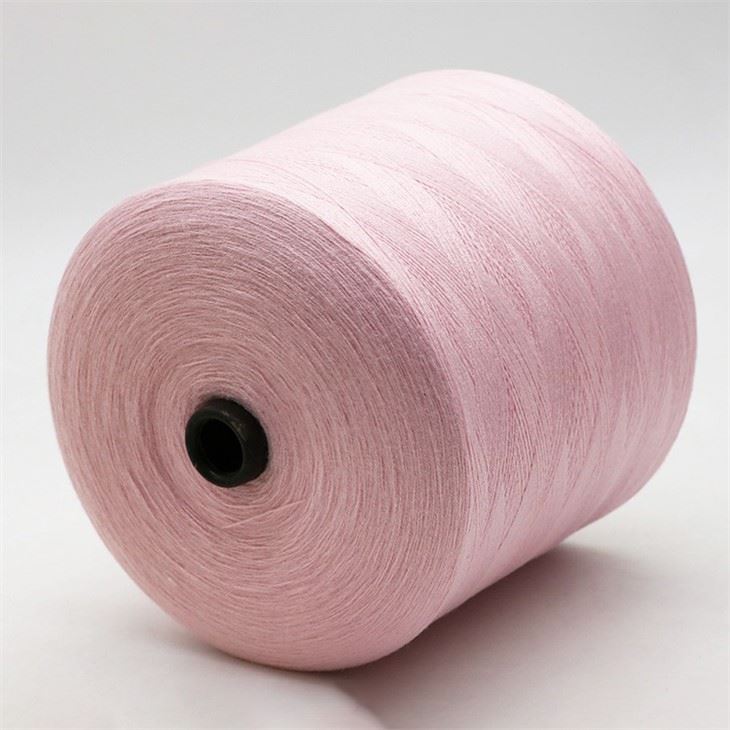

If you’re interested in working with traditional silk yarn or exploring the blends we offer, I’m here to help. We work with small-scale producers who uphold these time-honored methods, and we can tailor our yarns to meet your specific needs, whether you’re looking for a fine silk for embroidery, a thick silk for upholstery, or a blended yarn that combines silk with other plant fibers. Reach out to us to discuss your project, and let’s create something beautiful together.
References
- K. C. Mondal, "Silk Production: Traditional and Modern Methods," Journal of Natural Fibers, vol. 12, no. 2, 2015, pp. 112–128.
- R. Tewary, "Traditional Silk Reeling Practices in India: A Historical and Ethnographic Study," Textile History, vol. 48, no. 1, 2017, pp. 45–62.
- S. Zhang et al., "Effects of Stifling Methods on the Properties of Mulberry Silk Yarn," Textile Research Journal, vol. 89, no. 10, 2019, pp. 1987–1998.
- International Silk Association, Global Silk Production Practices: Traditional and Sustainable Approaches, 2021, https://www.silkassociation.org/publications/production-practices.


